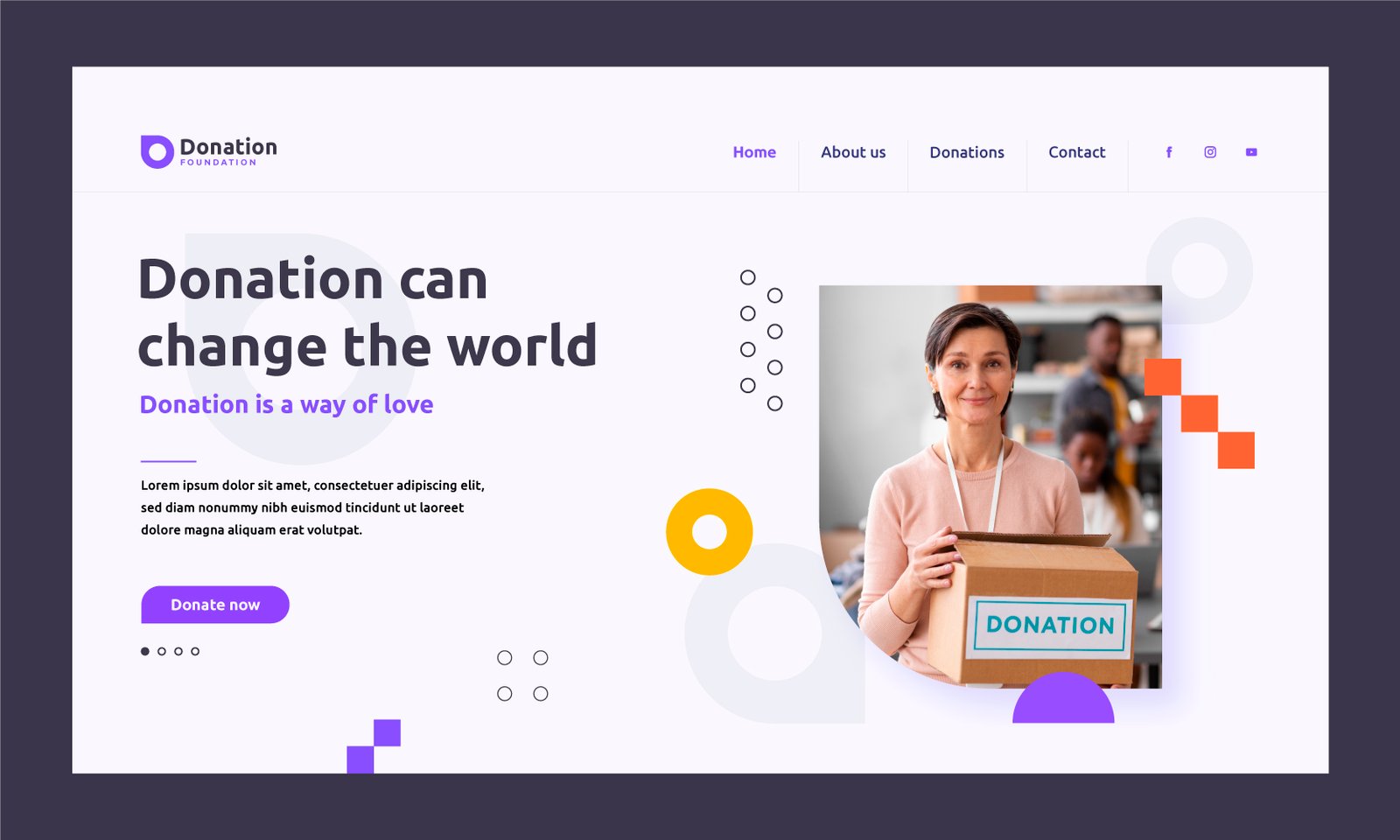
In today's digital era, having a professional website is no longer optional for non-profit organizations, charitable trusts, societies, and Section 8 companies in India—it is the central nervous system of your entire organization. A well-engineered NGO platform serves as your digital headquarters, helping you mobilize volunteers, attract individual and corporate CSR donors, streamline multi-district field operations, and prove radical transparency to regulatory authorities.
However, the technological demands on Indian non-profits have fundamentally shifted in 2026. The era of static, brochure-style websites is over. Today's non-profits require integrated digital ecosystems that automate statutory 80G tax receipts, issue verifiable digital ID cards, manage project-wise expenses, and coordinate field teams across states—all without burning precious donor funds on bloated third-party SaaS subscriptions.
This comprehensive guide walks you through the complete blueprint for NGO website and portal development in India, drawing directly from real-world, production-tested architectures designed specifically for the Indian non-profit sector.
Why Your NGO Needs an Enterprise-Grade Digital Platform in 2026
The social sector in India is experiencing unprecedented regulatory oversight and donor scrutiny. Whether dealing with individual contributors, corporate CSR committees, or the Income Tax Department, credibility hinges on digital competence and radical transparency:
1. Immediate Institutional Trust & Donor Credibility
Modern donors, philanthropists, and CSR foundations conduct thorough online due diligence before donating a single rupee. A professionally built website that prominently showcases your governance structure, registered address, founding mission, and verifiable documentation immediately separates your organization from unverified entities.
2. Income Tax Compliance & Form 10BD Preparedness
Under current Indian Income Tax regulations, every donor contributing under Section 80G must have their PAN, full postal address, and contribution mode recorded accurately. Non-profits must file an annual statement of donations in Form 10BD. An automated portal captures these mandatory compliance fields at the moment of donation, eliminating hundreds of hours of chaotic manual bookkeeping and audit penalties.
3. 24/7 Multi-Channel Giving with Zero Gateway Friction
Supporters in India want instant, frictionless giving options. A modern platform integrates dual Indian payment gateways (such as Razorpay and PhonePe Payment Gateway) supporting UPI (Google Pay, PhonePe, Paytm, BHIM), debit/credit cards, and net banking, while simultaneously displaying official institutional bank account details (NEFT/RTGS/IMPS) and zero-fee UPI QR codes for direct contributions.
4. Grassroots Field Mobilization Across Districts
Social organizations operate across geographic zones through trustees, regional coordinators, local volunteers, and field social workers. A centralized platform coordinates membership applications, volunteer onboarding, and field program reporting in real time without messy paper forms or lost WhatsApp threads.
5. Radical Financial Transparency & Expense Auditing
Publishing annual audited balance sheets, utilization certificates, and project-wise expenditure breakdowns proves to institutional donors that funds directly reach ground beneficiaries. Transparency is the single greatest driver of donor retention and long-term patron loyalty.
Core Public Portal Architecture: What Every Indian NGO Website Needs
An effective non-profit platform must serve multiple audiences simultaneously: individual donors, CSR partners, community volunteers, beneficiaries, and government regulators. Here are the indispensable public-facing modules:
1. Institutional Governance & Leadership Showcase
Your leadership and governance structure must be presented with complete openness:
- About the Foundation: Clear statement of origin, philosophy, vision, mission, and core values.
- Impact Focus Areas: Dedicated programmatic pages detailing your work across key verticals (e.g., Education & Literacy, Child Welfare, Women Empowerment & Vocational Training, Healthcare & Medical Camps, Livelihood Support, Legal Aid, Environmental Conservation, and Senior Citizen Welfare).
- Leadership Desk: Founder and President's message articulating long-term community vision, governance principles, and organizational milestones.
- Governing Body & Advisory Board: High-resolution photos, designations, professional backgrounds, and credentials of board trustees and executive leadership.
2. Legal Compliance & Document Vault
In India, public trust depends on documented legal standing. A dedicated Compliance & Documents Vault provides clean, tamper-resistant PDF viewing and downloading for all statutory certifications:
- Section 12A Registration: Income tax exemption certificate with Unique Registration Number (URN).
- Section 80G Approval: Tax-deductibility certification enabling donors to claim 50% income tax deductions.
- NITI Aayog NGO Darpan Registration: Official Darpan Unique ID for government grant eligibility.
- MCA CSR-1 Registration: Ministry of Corporate Affairs registration certificate qualifying the organization for corporate CSR partnerships.
- Trust Deed / Society Registration / Section 8 MoA & AoA: Official founding legal constitution.
- FCRA Details: Foreign Contribution Regulation Act status and designated State Bank of India (SBI) main branch details for international support where applicable.
- Audited Financial Statements: Downloadable annual audited balance sheets and profit & loss statements for the past 3+ financial years.
3. Cause-Specific Crowdfunding Campaigns with Target Progress
Generic "Donate" buttons convert poorly compared to concrete, targeted cause campaigns. An advanced portal allows administrators to launch dedicated fundraising campaigns featuring:
- Target Goal vs. Raised Progress Bars: Dynamic visual indicators displaying funds raised, target goal, total donor count, and campaign status.
- Campaign Sponsorship Addons: Concrete giving levels that map money to tangible real-world outcomes (e.g., "Sponsor 1 Child's Learning Kit for ₹1,500", "Support 1 Family's Monthly Ration for ₹2,500", or "Fund 1 Community Health Camp for ₹15,000").
- Rich Multimedia Storytelling: High-resolution field photos, beneficiary background, and verified progress milestones.
- Social Sharing: 1-click WhatsApp and social media sharing buttons enabling supporters to spread the campaign virally across community groups.
4. Dedicated Institutional Bank Account & Direct UPI Showcase
Not all donors wish to donate via payment gateway checkouts. Many corporate entities, HNIs, and traditional philanthropists prefer direct bank transfers to avoid payment gateway convenience deductions. A dedicated Bank Management section displays:
- Official NGO Current Account details (Beneficiary Name, Bank Name, Account Number, IFSC Code, Branch).
- Designated FCRA Account details for permissible overseas contributions.
- Official high-resolution UPI QR Code for instant, zero-transaction-fee donations via any mobile UPI application.
- Clear instructions for donors to submit their transfer transaction ID / UTR number for instant 80G receipt generation.
5. Transparent Public Donor Wall
A live donor recognition wall acknowledges patrons, corporate sponsors, and individual supporters, while providing a strict privacy toggle allowing donors who wish to contribute anonymously to keep their names private.
6. Community Health Camps, Blood Drives & Field Events
A specialized event and camp tracking system displays:
- Upcoming medical checkup camps, eye screening drives, blood donation camps, tree plantation initiatives, and skill development workshops.
- Camp details including date, venue location, target beneficiary count, collaborating partner hospitals, and volunteer requirements.
- Past camp photo documentation and outcome statistics (e.g., number of patients treated, units of blood collected, trees planted).
7. Media Center, News & Press Releases
A dynamic press archive showcasing newspaper clippings, district administration citations, official press releases, photo galleries, and embedded YouTube video documentaries showing real grassroots transformations.
Digital Paperless Governance: Universal Document & Verification Engines
One of the most revolutionary aspects of modern NGO portal development is transitioning the organization entirely away from manual paper registers, physical stamp pads, and manual certificate typing. A production-ready NGO system includes automated document generation engines:
1. Automated Sequential Section 80G Tax Receipts
Every time an online donation is completed—or when an administrator logs an offline cash, cheque, or NEFT contribution—the system automatically generates an official, tamper-proof 80G Tax Exemption Receipt in PDF format:
- Sequential receipt numbering (e.g.,
SAF-REC-2026-0042) maintaining strict accounting continuity. - Organization registration numbers, PAN, TAN, 80G approval order number, and validity dates.
- Donor's full legal name, PAN number, address, contact details, payment mode, and transaction reference.
- Amount in figures and automatically spelled out in words.
- Pre-embedded authorized signature and official organization seal.
- Instant email dispatch directly to the donor's inbox, with lifetime re-download availability from their user dashboard.
2. Dual-Sided Printable Digital Photo ID Cards
Active volunteers, regional coordinators, and executive members require verified identification when conducting field visits, organizing relief camps, or meeting government authorities. The system generates high-resolution, printable front-and-back digital ID cards:
- Front Side: Passport photo, full name, official designation (e.g., District Coordinator, Active Volunteer, Governing Member), unique registration ID, blood group, and organization logo.
- Back Side: Emergency contact number, residential address, issue date, validity tenure, terms of service, authorized signatory stamp, and a live verification QR code.
3. Multi-Format Verifiable Certificate Engines
Organizations need to recognize contributors, train workers, and honor dignitaries. A professional NGO portal features distinct, customizable certificate generation systems:
- Membership Certificates: Official certificates confirming verified enrollment in the organization with membership category and tenure.
- Volunteer Appreciation Certificates: Formal recognition for dedicated community service hours and disaster relief participation.
- Event & Camp Participation Certificates: Awarded to blood donors, camp attendees, and community contributors.
- Vocational Training & Skill Development Certificates: Course completion certificates for beneficiaries of sewing, digital literacy, nursing assistance, or micro-enterprise training programs.
- Visitor & Dignitary Honor Certificates: Formal mementos for guest speakers, government officials, and CSR patrons visiting foundation facilities.
4. Instant Public QR Code Verification Portal (/verify-member)
Fraud and impersonation are severe risks for growing NGOs. Counterfeit ID cards or forged donation receipt books can destroy decades of community goodwill. To solve this permanently:
- Every ID card, 80G tax receipt, and certificate generated by the system embeds a unique, encrypted Live QR Code.
- Scanning the QR code with any smartphone camera instantly directs the user to the organization's official domain (e.g.,
yourngo.org/verify-member?reg=SAF-MEM-1082). - The public verification page immediately displays the live database record, member photo, designation, validity status, and verification badge.
- Police authorities, hospital administrators, donors, and event organizers can authenticate an official representative in under 3 seconds without making phone calls.
5. Formal Appointment Letters & Official Letterhead Generator
Managing leadership positions across multiple districts requires formal documentation. The internal administration panel includes an Appointment Letter Generator that drafts standardized legal appointment letters on official NGO letterhead, detailing:
- Official reference number and date of issuance.
- Appointee name, residential address, and assigned territorial jurisdiction.
- Terms of reference, responsibilities, and code of conduct.
- Digital signatures of the President/General Secretary and official seal, ready for one-click printing or PDF export.
Internal Financial Governance: Project-Wise Expense & Voucher Auditing
While many NGO websites focus exclusively on bringing money in, the true test of organizational maturity is how rigorously money is tracked going out. Donors and CSR auditors demand full accountability. A production-grade NGO management platform incorporates an internal Financial Expense & Voucher Management System:
- Project-Wise Expenditure Allocation: Tag every expense directly to a specific campaign, event, or relief program (e.g., Free Medical Camp #14 or Rural Winter Blanket Drive).
- Category Breakdown: Track expenditure across distinct heads (Relief Materials, Medical Supplies, Logistics & Transport, Printing & Stationery, Honorarium, Venue Rent, and Administrative Costs).
- Voucher & Bill Attachment Upload: Upload scanned vendor invoices, cash receipts, and payment vouchers directly into the database for perpetual digital archiving.
- Payment Mode & Reference Tracking: Record whether payments were disbursed via Bank Transfer (NEFT/IMPS), UPI, Cheque, or Petty Cash with corresponding transaction reference numbers.
- Exportable Financial Reports: Filter expenditure by date range, project, or category, and export audit-ready summaries for your Chartered Accountant during statutory year-end audit filings.
Pragmatic Communication Architecture: Instant Email & Direct WhatsApp Connect
A sustainable, high-trust digital communication framework for non-profits relies on reliable, zero-maintenance channels that keep operational overhead near zero while delivering prompt service to donors, members, and volunteers:
-
Automated Transactional Emails via SMTP:
The system connects directly to standard, reliable SMTP services (such as Google Workspace, Zoho Mail, or webmail SMTP) to handle all critical transactional messaging automatically at zero incremental cost:
- Instant automated dispatch of official 80G tax receipt PDFs immediately upon successful donation.
- New membership registration welcome emails containing digital ID card access links.
- Volunteer application receipt and onboarding confirmations.
- Certificate download notifications with direct verification links.
- Real-time administrative alerts whenever a new inquiry, donation, or complaint is submitted.
-
Direct Click-to-Chat WhatsApp (
wa.me) & One-Tap Social Sharing:The platform features direct WhatsApp click-to-chat links (
https://wa.me/91XXXXXXXXXX) via floating action buttons and header links:- Direct Human Connection: Connects potential donors, CSR partners, and volunteers straight to an authorized coordinator's WhatsApp chat for genuine, compassionate human conversation and rapid query resolution.
- Zero Recurring Maintenance: Works natively on all mobile devices and web browsers with zero software fees.
- One-Tap Cause Sharing: Dynamic WhatsApp sharing buttons on every campaign, event, and news story pre-populate attractive text and URLs, allowing supporters to forward causes into their personal WhatsApp groups with a single tap.
-
Self-Service In-Portal Member & Donor Dashboards:
Supporters log into their private dashboard on the NGO website at any time to inspect their donation history, re-download past 80G receipts, access approved ID cards, and view issued certificates. Self-service eliminates the need for manual administrative inquiries entirely.
The Power of a Three-Tier Organizational Hierarchy
As social organizations scale from single-city operations to district, state, or national coverage, centralized administration becomes a bottleneck. A modern NGO platform implements a role-based three-tier management system:
Level 1: Super Administrator Panel
The core leadership, trustees, or IT administrators maintain overarching organizational governance:
- Full management over website content, mission statements, leadership profiles, and hero sliders.
- Secure configuration of payment gateway credentials (Razorpay API keys, PhonePe merchant parameters).
- Management of legal compliance documents and public disclosure files.
- Financial oversight: project expense entry, voucher approvals, and donation ledger audits.
- Creation and role assignment for regional coordinators and administrative staff.
- Master certificate and appointment letter template configuration (logo placement, background borders, digital seals, and signature uploads).
Level 2: Regional / District Coordinator Panel
Coordinators oversee local territorial chapters (e.g., Delhi NCR, Bundelkhand, or Varanasi Division) without touching global platform settings:
- Review and verify membership and volunteer applications within their assigned geographic district.
- Publish local community health camps, blood donation drives, and field relief initiatives.
- Upload verified field photos, beneficiary counts, and local project progress updates.
- Issue local participation and volunteer appreciation certificates within pre-authorized guidelines.
- Strict data isolation: coordinators cannot view or tamper with other districts' data or master financial credentials.
Level 3: Member & Volunteer Self-Service Portal
Individual supporters, life members, and registered volunteers receive their own responsive portal:
- Personal profile management (contact details, blood group, emergency contacts, profile photo).
- One-click download of official dual-sided Digital ID Cards.
- Comprehensive personal donation ledger with on-demand 80G tax receipt PDF downloads.
- Access to all awarded certificates of appreciation, participation, or vocational training.
- Direct updates on upcoming local volunteer drives and organizational meetings.
Mobile-First Design & Progressive Web App (PWA) for Rural Bharat
More than 70% of web traffic for Indian non-profits originates from mobile smartphones—frequently operating on congested 3G/4G cellular connections in semi-urban and rural areas. A resilient NGO website must be engineered accordingly:
- Ultra-Lightweight Codebase: Built with clean, optimized PHP and minimal dependencies, ensuring pages load in under 1.5 seconds even on modest mobile devices.
- Touch-Optimized Form Design: Streamlined membership and donation forms with large input targets, numeric keypads for mobile/PAN inputs, and camera-ready document photo uploads.
- Progressive Web App (PWA) Capabilities: Supporters and field volunteers can add the NGO website directly to their Android or iOS home screens as a standalone web application without downloading a bulky native app from the Play Store.
- Offline Fallback Page: Built-in service worker caching displays an elegant offline assistance screen (with pre-cached office phone numbers and emergency contacts) if an active field worker loses internet connectivity in remote tribal or rural areas.
Search Engine Optimization (SEO) & Digital Discovery for Indian NGOs
A sophisticated portal creates impact only when prospective donors, volunteers, and CSR foundations can find it on Google. Essential SEO practices for Indian non-profits include:
1. High-Intent Cause & Location Keywords
Optimize program pages for geo-specific and cause-specific queries that donors search for (e.g., "donate for child education in Delhi NCR", "80G tax saving donations non profit India", or "free health camp organizer trust in North India").
2. Structured Schema Markup
Implement NGO, NonProfitOrganization, and GovernmentPermit JSON-LD schema markup detailing your registered trust name, Darpan ID, 80G status, official address, and logo for enriched Google search engine snippets.
3. Content-Driven Field Stories
Regularly publish real case studies, beneficiary transformation stories, and press coverage. Search engines prioritize fresh, authentic content demonstrating continuous real-world activity.
Security, Privacy & Data Protection
Non-profits handle sensitive information, including donor PAN cards, financial transaction records, volunteer government identity documents, and beneficiary medical data. Modern security standards are non-negotiable:
- End-to-End HTTPS/SSL Encryption: Strict SSL enforcement protecting all transactions and data transfers.
- Secure Document Delivery (Anti-Scraping): Legal documents, audit reports, and ID card photos are served through authenticated controllers, preventing automated bots from scraping sensitive citizen data.
- Strict Input Sanitization & CSRF Protection: Guarding all forms against SQL injection, cross-site scripting (XSS), and cross-site request forgery.
- Role-Based Access Control (RBAC): Granular permissions ensuring coordinators and general staff only access authorized data modules.
- Automated Database Backups: Scheduled daily database backups ensuring uninterrupted institutional continuity.
Implementation Roadmap: From Concept to Live NGO Portal
Building a robust non-profit platform follows a systematic, milestone-driven process:
Phase 1: Institutional Discovery & Document Audit (Weeks 1–2)
- Gather all statutory registrations: 12A, 80G, CSR-1, NGO Darpan, Trust Deed/MoA, and 3-year audit reports.
- Finalize focus area definitions, leadership profiles, and bank account details.
- Define membership tiers (Annual, Life, Patron, Volunteer) and ID card design parameters.
Phase 2: Platform Architecture & Module Development (Weeks 3–5)
- Develop public portal: About, Causes, Campaigns, Compliance Vault, Media Center, and Camp Trackers.
- Implement automated document engines: 80G receipts, photo ID cards, and 5-format certificate generators with live QR code verification.
- Build internal financial expense management and voucher tracking module.
- Construct three-tier role-based administrative consoles (Super Admin, Coordinator, Member).
Phase 3: Payment Gateway & SMTP Email Configuration (Week 6)
- Integrate and test dual Indian payment gateways (Razorpay and PhonePe) for live UPI, card, and net banking processing.
- Configure high-reliability SMTP email servers for automated 80G tax receipt and membership delivery.
- Integrate direct click-to-chat WhatsApp communication channels and one-tap social sharing buttons.
Phase 4: Field Testing, Training & Public Handover (Week 7)
- Conduct cross-device testing across smartphones, tablets, and desktop browsers.
- Perform end-to-end QR code scanning audits on generated ID cards and certificates.
- Deliver comprehensive training for foundation executives and regional coordinators.
- Deploy production build with SSL, automated backups, and sitemap submission to Google Search Console.
Conclusion: Empowering Grassroots Impact Through Technology
A professional NGO website is far more than digital marketing—it is the operational foundation upon which modern social impact is built. When you replace manual paperwork with automated 80G receipts, eliminate impersonation with live QR verification, streamline field operations with multi-tier coordinator panels, and manage expenses with audit-ready transparency, your non-profit earns the unshakeable trust of donors and institutions alike.
By adopting sustainable, pragmatic communication—leveraging automated transactional emails and direct WhatsApp click-to-chat your organization keeps overhead costs near zero, ensuring that every rupee raised delivers maximum impact to ground beneficiaries.
Ready to transform your NGO's digital infrastructure? Partner with Online Growth Hub for specialized, end-to-end non-profit website and portal development tailored specifically for Indian charitable trusts, societies, and Section 8 organizations.
Keywords: NGO website development India, non profit website design, charity website development, NGO management system, 80G tax receipts, digital ID card NGO, QR code certificate verification, NGO expense tracking, trust website development, social organization portal, Razorpay PhonePe NGO, NGO website features 2026, CSR-1 NGO website, NGO Darpan portal
Online Growth Hub engineers custom NGO websites with direct bank settlements (Razorpay, UPI QR), automated 80G tax deduction receipts, Form 10BD exports, and zero platform commissions.